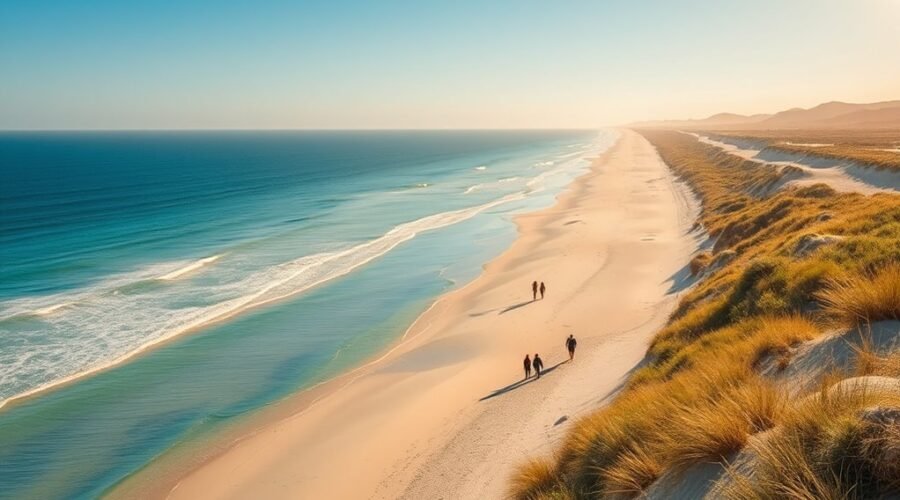
If you’re planning a trip to the Fraser Coast, timing matters more than you might think. You’ll find mild, sunny days and smaller crowds from September to November, while June to August brings peak whale-watching and cooler weather. Costs and ferry availability shift with the seasons, and local events and Indigenous sites add depth to any visit. Keep these factors in mind as you decide when to go — and there’s more to contemplate.
Compare our seasonal guides to Queensland, Australia and Southern Great Barrier Reef, Queensland when choosing other stops in Queensland.
Key Takeaways
- Visit September–November for mild, sunny weather, wildflowers, bird activity, and fewer crowds.
- Go June–August for calm seas and peak humpback whale watching.
- Expect hottest, storm-prone conditions and busiest beaches in December–February (school holidays).
- Find lower prices and quieter experiences in late February–May and shoulder months.
- Book tours and accommodation early for peak whale season and school holidays to secure availability and better rates.
Quick Picks by Travel Priority (Best Months for Weather, Wildlife, Budget)

If you’re choosing months based on a single priority—weather, wildlife, or budget—here are the straightforward picks to guide your planning.
For reliably mild, sunny days pick September to November; you’ll savor open beaches, calm seas, and long daylight for exploring with minimal humidity.
If wildlife draws you, aim for June to August when humpback whales pass and birdlife concentrates on rich wetlands; you’ll witness migration and nesting behavior tied to the region’s rhythms.
Budget travelers find best value in February and March, outside peak holiday windows, when accommodation discounts let you stretch your stay and linger longer in markets or at cultural festivals without breaking the bank.
Budget travelers score best value in February–March, with off-peak discounts that stretch stays and free up time for markets and festivals.
Wherever you go, honor local Indigenous heritage by visiting community-run sites and learning the stories behind the land; that respect deepens your experience and supports meaningful, liberating travel choices that benefit people and place.
Fraser Coast Seasons: Summer, Autumn, Winter, Spring
When you plan a trip to the Fraser Coast, it’s helpful to think in four distinct seasonal moods: a hot, humid summer that brings tropical storms and vibrant beach life; a cooler, drier winter that offers calm seas and prime whale-watching; a mild spring when wildflowers and bird activity ramp up; and an autumn that eases humidity while keeping pleasant water temperatures for swimming and fishing. You’ll choose a season based on freedom — chasing solitude, festivals, or natural spectacle. Summer pulses with Local festivals and lively beaches but expect humidity and sudden storms. Autumn smooths shifts, great for fishing and relaxed walks. Winter lets you witness migrating whales and clearer skies, ideal for reflective escapes. Spring celebrates renewal: blossoms, birds, and stronger Indigenous heritage programming that connects you to place and story.
| Season | Vibe | Best for |
|---|---|---|
| Summer | Energetic | Beach life, festivals |
| Autumn | shifts | Swimming, fishing |
| Winter | Calm | Whale-watching, solitude |
Monthly Weather & Sea Conditions on the Fraser Coast
After thinking about seasonal moods, it helps to look month by month so you can match specific weather and sea conditions to your plans.
You’ll notice summer brings warm air, frequent afternoon sea breezes and stronger coastal wind patterns that can cool exposed beaches but whip up surf.
Autumn eases humidity; water stays warm though tidal temperature shifts start to show at dawn and dusk.
Winter offers clear skies, lighter winds and calmer seas — excellent for open-water freedom and swimming in sheltered bays.
Spring builds heat, gusts and occasional storms; tidal temperature shifts are less pronounced as the ocean reheats.
- Plan beach days when local forecasts predict mild coastal wind patterns and low swell.
- Expect early-morning tidal temperature shifts; pack a light layer for swims and boat trips.
- Choose calmer months for liberated paddling, windier months if you want thrilling surf.
Match months to how boldly you want to explore the coast.
Fraser Coast Wildlife Calendar: Whales, Turtles, Birds, Fish
Plan your visit around the wildlife calendar so you can catch humpback whales passing by during their migration windows.
You’ll find turtle nesting peaks on nearby beaches in the warmer months and birdlife and fishing activity shift with seasonal tides and reef temperatures.
With timing in mind, you’ll maximise sightings of whales, nesting turtles, migratory birds and prime fishing opportunities.
Whale Migration Timing
Because Fraser Coast sits along the whales’ highway between Antarctic feeding grounds and tropical breeding lagoons, you’ll see the clearest migration patterns from late May through November.
You’ll watch humpbacks travel north to calving grounds, then return with calves, following a steady migration route that’s legible from headlands and boat decks.
The spectacle fuels local cultural festivals and shore‑based celebrations, so you can join in with communities honoring the sea.
Pay attention to peak months—August to October—when sightings spike and mothers and calves linger near protected bays.
Stay observant, respectful, and free to move with the season’s rhythm.
- Peak viewing: August–October for frequent close encounters
- Best vantage: Fraser Island and Hervey Bay headlands
- Respect rules: keep distance, support guided operators
Turtle Nesting Seasons
While whales dominate the cooler months, the Fraser Coast’s beaches come alive with another ancient rhythm as warmer weather arrives: sea turtles return to nest along protected stretches of sand from about November through March.
You’ll witness females shuffling ashore at night to dig chambers and lay clutches of eggs, a slow, sacred choreography that invites quiet reverence.
Local Turtle conservation programs monitor sites, tag turtles, and patrol for disturbances — you can support them by following nesting regulations: keep lights off, stay back from nests, and never touch hatchlings.
Visit guided walks or volunteer to help; those actions free you from passive tourism and plug you into stewardship.
This season rewards patience, respect, and deliberate presence.
Birding And Fish Peaks
When migratory windows open between spring and autumn, the Fraser Coast turns into a hotspot for both birdwatchers and anglers, with shorebirds, raptors, and schooling fish reaching seasonal highs.
You’ll notice Bird migration routes light up: estuaries and mudflats host flocks refueling, while raptors patrol the thermal currents.
Alongshore, Fish spawning pulses lure predators and anglers alike; you’ll sense the ecosystem’s urgency and freedom.
- Visit low tide for concentrated shorebird activity and clearer sightings.
- Time trips to local spawning season peaks to watch schooling fish and feeding seabirds.
- Choose guided tours to learn ethical viewing and support conservation.
You’ll leave feeling liberated by wild abundance, armed with practical timing and respect for fragile rhythms.
Crowds: When to Go (And When to Avoid)
If you want quieter beaches and easier bookings, aim for the low-season months outside school holidays when crowds thin and prices drop.
Peak tourist seasons—especially summer and long holiday weekends—bring busy beaches, fuller tours, and a livelier town vibe.
Keep school holiday spikes in mind if you’re trying to avoid families and secure accommodation.
Peak Tourist Seasons
Peak-season crowds on the Fraser Coast swell most noticeably from December through January and again during school holidays, so you’ll find busier beaches, pricier accommodation, and fuller tours then.
You’ll notice a vibrant, sometimes chaotic energy: popular whale-watching boats, Fraser Island tours, and coastal cafes run at capacity. If you crave freedom, plan around these peaks to reclaim space; otherwise embrace the buzz and lively seasonal festivals that light up towns.
- Book tours and stays well in advance to secure spots.
- Expect longer waits but richer event calendars and communal atmosphere.
- Consider shoulder days or early departures to dodge the worst congestion.
These peaks highlight contrasts — crowded hubs versus off peak advantages that reward the liberated traveler.
Quiet Low-Season Months
Although summer draws the crowds, the quiet months from late February through May and again in September to November offer a very different Fraser Coast: you’ll find empty beaches, shorter ferry lines, and greater availability on popular tours.
You can move at your own pace, choosing quiet activities like shoreline walks at sunrise, solitary birdwatching, or reflective kayaking in calm inlets.
Scenic spots such as coastal lookouts, national park trails, and secluded sandbars feel intimate and reclaimed.
Accommodation rates often dip, so you’ll have freedom to stay where you really want.
Weather is mild, insects fewer, and the rhythm slower—perfect if you crave space and spontaneity.
Plan modestly: some services scale back, but the reward is uncrowded clarity.
School Holiday Spikes
When school holidays roll around, the Fraser Coast fills fast—families flock to beaches, ferries, and Fraser Island tours, so you’ll encounter longer waits, busier lookouts, and booked-out accommodation weeks in advance.
You’ll notice clear school holiday trends: day tours sell out, parks swell, and service queues lengthen. That surge creates peak travel impacts you should plan for or avoid if you value space and quiet.
If you crave freedom, shift your dates or embrace early mornings to steal solitude. Consider travel hacks that restore choice and calm.
- Book tours and ferries at least 4–6 weeks ahead.
- Visit sunrise lookouts to dodge crowds.
- Choose weekdays outside public holiday windows for lower fares and emptier beaches.
Seasonal Prices: Accommodation, Tours & Ferry Fares
Because demand on the Fraser Coast shifts with whale migrations, school holidays and weather windows, you’ll notice clear seasonal patterns in accommodation, tour rates and ferry fares. You can hunt seasonal discounts off-peak and expand your accommodation options when crowds thin; in peak times you’ll trade price for certainty. Tour operators raise rates around big migration months and long weekends, while ferry fares climb with demand and fuel costs.
| Time of Year | Emotional Note |
|---|---|
| Peak (winter holidays) | Expect bustle — pay more for certainty |
| Shoulder (spring/autumn) | Breathe easier — savings and flexibility |
| Off-peak (summer wet) | Wild freedom — deepest discounts |
Watch booking windows: early birds still snag bargains, last-minute seekers find cancellations. If you want liberation, lean into shoulder seasons where lower costs meet calmer crowds. Use fare alerts, compare operators, and pick refundable options when possible to keep plans flexible without overspending.
Best Times for Fraser Coast Activities: Beaches, Snorkelling, Whale Watching
If you time your visit right, you’ll get the best mix of calm beaches, clear snorkelling water and unforgettable whale encounters without fighting crowds or poor conditions. You’ll find late winter to early spring ideal: winds ease, visibility improves and humpbacks pass close to shore.
Time your visit late winter–early spring for calm beaches, clear snorkelling and close humpback encounters without the crowds
For beach activities, choose mornings for flat water and empty sands; afternoons bring softer light for photos and community local events along the foreshore.
When you plan snorkelling, pick low-wind days and check tide charts—visibility and safety improve with the right tides. For whale watching, book trips during peak migration; you’ll witness playful calves and breaching adults from small, responsive vessels that respect animals.
- Aim for mornings to avoid wind-driven chop and crowds.
- Match snorkelling tips to tide and wind forecasts for clearer water.
- Time whale watching to migration windows and nearby local events for cultural context.
You’ll leave feeling freer, connected and grounded in place and season.
Budget & Practical Tips: When to Book, What to Pack, Local Events
Although peak events and whale season draw crowds, you can save money and stress by booking accommodation and tours several months ahead and packing smartly for variable coastal weather.
Plan travel during shoulder months for lower rates and quieter beaches; look for budget accommodations like hostels, holiday parks, or self-catering apartments to stretch your funds. Book ferry crossings and guided tours early—many operators offer discounts for advance bookings and flexible cancellation.
Pack light but purposeful: sun-protective clothing, reef-safe sunscreen, a light rain jacket, sturdy sandals, and packing essentials like a reusable water bottle, dry bag, and power bank.
Bring layers for cool mornings and warm afternoons. Check local event calendars—markets, music festivals, and whale-watching windows—so you can join community life without paying premium prices.
Travel with an open schedule, embrace slow days on the sand, and you’ll leave feeling freer, richer in experience, and confident that you got the most value from your Fraser Coast visit.
Frequently Asked Questions
Are There Mosquito or Insect Concerns at Certain Times of Year?
Yes — you’ll encounter mosquito seasons, especially during warm, wet months; they’ll swarm near mangroves and dusk. Carry strong insect repellents, wear long sleeves, and embrace liberated travel by adapting routines to stay comfortable and free.
Is It Safe to Drive to Fraser Coast at Night During Wet Season?
You can, but you shouldn’t be casual; take night driving precautions for wet season hazards like flooding, poor visibility, and slippery roads. Drive slowly, use lights, avoid flooded stretches, carry a charged phone, and trust local warnings.
Do Any Accommodation Options Offer Long-Term Monthly Rates?
A friend turned a motel into a month-long retreat; yes, many places offer long term stays. You’ll find budget accommodations, serviced apartments and hostels with monthly rates, letting you roam freer and spend less.
Are There Accessible (Wheelchair-Friendly) Tours and Beaches?
Yes — you’ll find wheelchair accessibility on tours and beaches; operators provide accessible boats, ramps, and beach facilities like mats and accessible toilets, so you can confidently explore whale watching, island walks, and seaside spots with freedom.
Can I Combine Fraser Coast With a Day Trip to Fraser Island?
Yes — you can do a Fraser Island day trip: you’ll feel liberated exploring its highlights quickly, joining guided 4WD tours that hit beaches, freshwater lakes and shipwrecks, but expect a packed, fast-paced, sensory-rich day.
Conclusion
Think of the Fraser Coast like a well-loved novel: visit in spring (Sept–Nov) for the sunny, mild chapters, pop in winter for the dramatic whale-watching scenes, or travel off-peak to save on the quieter pages. You’ll find calm seas for snorkeling, lively birdlife at river edges, and community events that deepen the story. Pack layers, book ahead for peak scenes, and respect local Indigenous heritage to make your own memorable chapter.