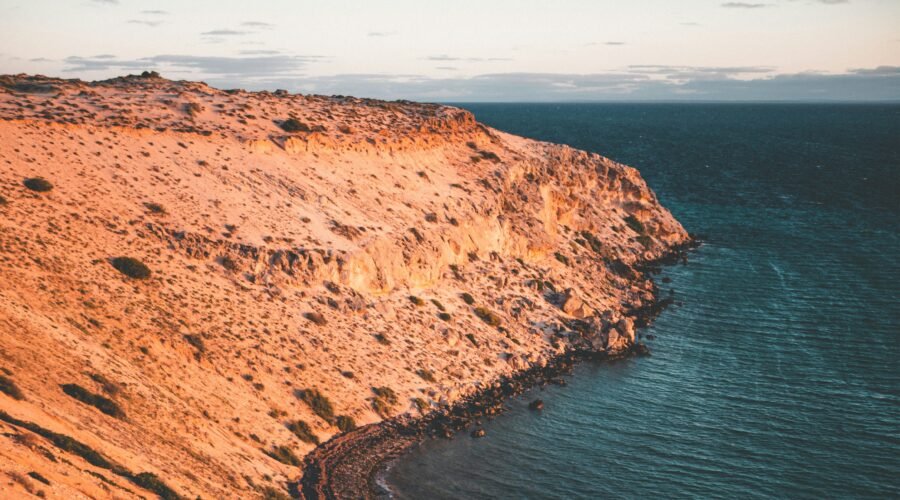
Kalbarri is worth visiting year-round, but the best time depends on what matters most to you: comfortable hiking weather, wildflowers, whale watching, beach days, fewer people, or easier accommodation availability. One important point is that Kalbarri does not follow the same crowd pattern as many Australian beach towns. The Kalbarri Visitor Centre describes April to October as its main busy season, with school holidays creating additional demand.
Quick Answer
For most visitors, May to October offers the most comfortable conditions for Kalbarri National Park. August to October is strongest for wildflowers, while June to November overlaps whale migration. For lighter crowds, consider March or November outside school holidays. Summer suits beach trips, but gorge heat can be dangerous.
Key Takeaways
- Best for hiking: May to October, when Kalbarri National Park is cooler.
- Best for wildflowers: July to October overall, with August to October a particularly reliable planning window.
- Best for whales: June to November along the Kalbarri coast.
- Lower-demand option: November can become quieter, while February and March may offer better availability outside school and public holidays.
- Important: The Loop Trail is closed after 7 a.m. from November through March because of dangerous heat.
Kalbarri Weather, Crowds, and Costs at a Glance
Long-term Bureau of Meteorology climate statistics for Kalbarri show a clear pattern: hot and very dry summers, mild winters, and most rainfall between May and August. Crowd levels are less straightforward because Kalbarri’s cooler months are also popular for hiking, caravanning, wildflowers, and school-holiday trips.
| Month | Average High | Average Rainfall | Crowd / Demand Pattern | Cost / Booking Note |
|---|---|---|---|---|
| January | 33.3°C | 4.7 mm | Very busy around New Year and school holidays | Holiday rates can be higher; book early |
| February | 34.1°C | 8.1 mm | Often quieter after summer holidays | Better availability may be possible outside events |
| March | 32.7°C | 11.4 mm | Moderate; Easter timing can change demand | Often worth comparing with April rates |
| April | 29.6°C | 18.7 mm | Busy, especially Easter and school holidays | Book early around peak dates |
| May | 26.2°C | 51.8 mm | Popular for comfortable outdoor conditions | Advance booking is sensible |
| June | 23.0°C | 80.1 mm | Busy-season touring period | Compare and reserve early for preferred stays |
| July | 21.9°C | 71.7 mm | Busy, particularly during school holidays | Popular accommodation can fill early |
| August | 22.6°C | 49.4 mm | Busy as wildflower interest grows | Book ahead for preferred dates |
| September | 24.2°C | 22.9 mm | Popular for wildflowers and school-holiday travel | High-demand dates can cost more |
| October | 26.2°C | 13.9 mm | Still within the main busy period | Reserve early around holidays |
| November | 28.4°C | 7.2 mm | Often quieter as temperatures rise | Potentially better availability outside events |
| December | 31.3°C | 3.4 mm | Demand rises sharply around Christmas | Holiday accommodation should be booked early |
Accommodation prices vary by property, room type, events, and booking date, so fixed seasonal price labels are unreliable. The Kalbarri Visitor Centre identifies Western Australian school holidays and public holidays as peak-rate periods for participating accommodation.
Kalbarri’s long-term average maximum ranges from about 21.9°C in July to 34.1°C in February, while June is the wettest month on average at about 80 mm of rain.
Spring: Wildflowers, Whales, and Warming Days
Spring in Kalbarri runs from September to November. It combines warming weather with some of the region’s biggest natural attractions, but September and October should not automatically be treated as low-crowd months.
Pleasant Temperatures for Exploring
Bureau of Meteorology averages put the mean daytime maximum at about 24.2°C in September, 26.2°C in October, and 28.4°C in November. Rainfall also becomes less frequent as spring progresses, making September and October particularly appealing for outdoor sightseeing.
These temperatures are much easier for exploring the coast and many national-park lookouts than midsummer conditions. Longer gorge hikes still deserve an early start, especially as November approaches.
The Wildflower Season
Western Australia’s wildflowers are one of Kalbarri’s major seasonal attractions. Tourism Western Australia recommends July to October for Kalbarri’s wildflower season, while the DBCA visitor guide highlights August to October for the best experience.
That makes September an especially strong month for travellers who want comfortable temperatures and colourful native flora. Flowering dates still vary from year to year because rainfall and local conditions affect when individual species bloom.
Whale Watching in Spring
Spring also overlaps the migration of humpback whales along the coast. Tourism Western Australia lists June through November as the main opportunity to join whale-watching trips or look for whales from coastal viewpoints.
Crowds Can Be Higher Than You Expect
September and October fall within Kalbarri’s broader April-to-October busy season. Wildflowers, school holidays, and comfortable hiking weather can all increase demand. November is different: the Kalbarri Visitor Centre notes that the town starts to quiet down as temperatures rise.
Spring Costs Vary by Date
September and early October are not guaranteed bargain periods. Accommodation can be in strong demand during wildflower season and school holidays. November can offer better availability, but you trade cooler hiking weather for warmer inland conditions.
If you’re comparing seasonal travel in very different climates, you can also read this guide to the best time to visit Lake Seyfe, Kirsehir.
Autumn: Warm Weather and Excellent Outdoor Conditions
Autumn runs from March through May and gradually moves Kalbarri away from summer heat. It can be an excellent period for the coast and national park, but it is not necessarily a low-demand shoulder season.
Temperatures Become More Comfortable
Mean maximum temperatures fall from about 32.7°C in March to 29.6°C in April and 26.2°C in May. Rainfall begins to increase toward May, but days can still be warm and pleasant.
March can remain hot for long inland walks, while April and May generally offer a better balance for exploring Kalbarri National Park, fishing, enjoying the river foreshore, or spending time on the coast.
Autumn Can Be Busy
The Kalbarri Visitor Centre describes autumn as one of the most popular periods for visitation. Easter, school holidays, and long weekends can make April particularly busy.
If your travel dates are flexible, compare several weeks rather than assuming March to May will automatically deliver fewer visitors.
Costs Depend Heavily on Holidays
Accommodation rates can rise during Easter, Western Australian school holidays, and public-holiday weekends. Outside those dates, March and parts of May may provide more choice, but there is no universal low-price autumn period.
Pro Tip: If you want warm weather without committing to midsummer heat, compare late March, May, and November dates. Always check the school-holiday calendar before assuming a week will be quiet or inexpensive.
Coastal Activities Shine
As summer heat eases, autumn can be very appealing for fishing, swimming, surfing, kayaking, and other coastal activities. Water and wind conditions vary day by day, so check local forecasts before heading out.
Summer: Beaches, Heat, and Early Starts

Summer in Kalbarri runs from December to February. It is hot, very dry on average, and well suited to travellers who mainly want beaches, swimming, fishing, and coastal activities.
Hot and Sunny Days
Average maximum temperatures are about 31.3°C in December, 33.3°C in January, and 34.1°C in February. Extreme days can be far hotter than these averages, particularly inland.
The key distinction is between Kalbarri town and the river gorges. The Department of Biodiversity, Conservation and Attractions warns that gorge temperatures can reach around 50°C in summer.
Warning: DBCA says the Loop Trail is closed after 7 a.m. from November through March inclusive. Plan demanding gorge hikes for May to October when possible. In hot weather, start early, carry plenty of water, wear sun protection, and obey all park closures and alerts.
Coastal Activities Make More Sense
On hot summer days, many visitors concentrate on the coast, river foreshore, swimming, surfing, boating, and fishing rather than long inland hikes. Even then, sun protection, hydration, and current marine conditions matter.
Lookouts such as the Kalbarri Skywalk can still provide access to the park’s scenery without committing to a long gorge walk, but you should always check current park alerts before leaving town.
Summer Crowds Are Concentrated Around Holidays
Christmas, New Year, and the summer school-holiday period can be very busy. Accommodation may book well in advance during those dates.
That does not mean every week from December through February is Kalbarri’s annual peak. Once the major holiday period ends, demand can ease as the heat limits some inland activities.
Early Mornings Matter
If you visit during summer, plan sightseeing for early morning and use the hotter part of the day for less strenuous activities. Do not treat an afternoon gorge walk as a normal summer option.
Remember Cyclone Season
The Bureau of Meteorology defines the Australian tropical cyclone season as November through April. Kalbarri is south of the most cyclone-prone stretch of Western Australia’s coast, but tropical systems moving south can still bring dangerous wind, heavy rain, flooding, large waves, and travel disruption to the Mid West and Gascoyne.
Note: If travelling between November and April, check Bureau of Meteorology forecasts, Emergency WA information, and DBCA park alerts close to your travel date.
Winter: Cool Hiking Weather, Rain, and Wildflowers

Winter, from June through August, is one of Kalbarri’s best periods for hiking. Days are mild, nights are cooler, rainfall is higher, and wildflowers begin appearing across the surrounding landscape.
Cool but Comfortable Days
Mean maximum temperatures are about 23.0°C in June, 21.9°C in July, and 22.6°C in August. Average minimum temperatures are roughly 10–11°C, so a light jacket or warm layer is useful in the morning and evening.
These temperatures are much more suitable for longer national-park walks than summer conditions.
Winter Is Not Necessarily Quiet
Although winter feels peaceful compared with major summer-holiday weeks, it sits inside Kalbarri’s April-to-October busy season. Caravan travellers, hikers, school-holiday visitors, and people arriving for the start of the wildflower season can all increase demand.
Do Not Assume Winter Has the Lowest Prices
Accommodation prices vary considerably. July school holidays and other busy dates can command stronger demand, so winter should not be described as Kalbarri’s automatic budget season.
If saving money is your priority, compare February, March, November, and non-holiday dates as well as winter offers. Booking directly around several possible dates is more reliable than choosing a season based on a generic “low-cost” label.
Winter Is the Wettest Season
Rainfall is concentrated in the cooler part of the year. BOM averages show about 80.1 mm in June, 71.7 mm in July, and 49.4 mm in August.
Rain can freshen the landscape and support the coming wildflower display, but heavier falls can affect roads, trails, and river conditions.
Be Careful Around the River After Heavy Rain
Higher river levels do not automatically mean better paddling conditions. DBCA warns that canoeing or kayaking through the gorges following substantial rainfall can be hazardous and may only be appropriate for highly skilled paddlers.
Check current park alerts, river conditions, and local advice before launching after rain.
If you’re comparing different destinations by season, this guide to the best time to visit Oregon also covers weather, crowds, and travel costs.
Best Time to Visit Kalbarri by Travel Priority
There is no single perfect month for every visitor. The most useful approach is to choose your dates around the activities you care about most.
For Nature Lovers and Photographers
August to October is the strongest choice for combining wildflowers with relatively mild temperatures. Flowering varies with rainfall, so check local wildflower updates shortly before your trip.
For Beach Lovers and Water Activities
December to March provides the warmest weather for beach-focused trips. January and early February can be particularly hot, so plan sun exposure carefully and avoid assuming beach weather also means safe gorge-hiking weather.
For Hikers and Gorge Explorers
May to October is the safest and most comfortable general window. DBCA specifically recommends the cooler months for the Loop and other demanding walks.
For Whale Watching
June to November gives you the best seasonal opportunity to see migrating humpback whales from coastal viewpoints or on local boat trips.
For Budget Travellers and Lighter Crowds
There is no guaranteed cheapest season, but November and parts of February or March can be worth checking if you avoid school holidays, Easter, public holidays, and major events. November is particularly useful because local tourism guidance says visitation begins to quiet down as temperatures increase.
For a Balance of Weather and Activities
May and October are strong all-around options if comfortable outdoor conditions matter more than having the town to yourself. October can combine wildflowers, whale season, and pleasant daytime temperatures, while May offers cooler conditions after summer.
How to Keep Your Kalbarri Trip Costs Down
- Avoid school-holiday and public-holiday dates when possible. Local accommodation providers commonly treat these as peak periods.
- Compare nearby weeks. Moving a trip by even a week can sometimes improve availability considerably.
- Book popular April-to-October dates early. Waiting for a last-minute discount can backfire during Kalbarri’s busy period.
- Check November, February, and March. These months can have lighter demand outside holiday periods, although hotter weather is the trade-off.
- Remember park costs. Entry fees apply to Kalbarri National Park. Check the official DBCA park page for current fees and pass options before travelling.
What to Pack for Kalbarri
Your packing list should reflect both the coast and the much hotter inland park environment.
- Year-round: hat, sunscreen, refillable water bottles, sturdy walking shoes, swimwear, and sun-protective clothing.
- Summer: lightweight breathable clothing, substantial water capacity, and a plan for avoiding strenuous midday activity.
- Winter: a light jacket or warmer layer for mornings and evenings plus a compact rain jacket.
- Hiking: footwear with good grip, sufficient drinking water, a charged phone, and offline trip information because reception can be variable.
- Wildflower season: camera or binoculars and suitable shoes for walking on natural surfaces.
DBCA also suggests considering a personal locator beacon for remote activities. There is no drinking water available inside Kalbarri National Park, so bring what you need before entering.
Planning Around Events and School Holidays
Events can increase demand even outside the dates you expect to be busy. Older travel information may mention the Kalbarri Canoe and Cray Carnival or the Zest Festival, but those should not be treated as current annual fixtures. The Zest Festival ran from 2012 to 2016.
For current festivals, markets, competitions, exhibitions, and community events, check the Kalbarri Visitor Centre events calendar before booking accommodation.
Ultimately, the best time to visit Kalbarri comes down to your priorities. Cooler months are strongest for hiking, late winter through spring brings wildflowers, June to November offers whale-watching opportunities, and summer works best for travellers who mainly want the coast. Just remember that comfortable weather can also mean higher demand, so weather, crowds, and costs do not always move in the same direction.
Frequently Asked Questions
What is the best time to visit Kalbarri, Western Australia?
May to October is the best general period for comfortable outdoor sightseeing and hiking. If wildflowers are your priority, aim for August to October. Travellers seeking lighter demand may prefer November or non-holiday dates in February and March.
What is Kalbarri’s weather like throughout the year?
Kalbarri has hot, dry summers and mild, wetter winters. Long-term average maximum temperatures range from about 21.9°C in July to 34.1°C in February. Most rainfall occurs between May and August.
When is wildflower season in Kalbarri?
Wildflowers can appear from July through October, with August to October generally the strongest period to plan around. Exact flowering dates depend on rainfall and seasonal conditions.
When is Kalbarri busiest?
The local visitor centre describes April to October as the main busy season. Western Australian school holidays, Easter, long weekends, wildflower season, Christmas, and New Year can create additional spikes in demand.
What is the cheapest time to visit Kalbarri?
There is no fixed cheapest season because rates vary by property and date. November and parts of February or March may offer better availability outside holidays, while school holidays and public-holiday weekends are more likely to carry peak pricing.
Can you hike Kalbarri National Park in summer?
Some areas remain accessible, but demanding gorge hikes can be dangerous in hot weather. DBCA closes the Loop Trail after 7 a.m. from November through March and recommends planning hikes for the cooler months from May to October.
When can you see whales in Kalbarri?
Humpback whale migration provides viewing opportunities from about June through November. Coastal lookouts and local boat tours can both be used for whale watching when conditions are suitable.
Are there festivals or events to consider when visiting Kalbarri?
Yes, but event schedules change from year to year. Older references to the Zest Festival and Canoe and Cray Carnival should not be relied on as current annual dates. Check the Kalbarri Visitor Centre’s live events calendar before booking.
Sources
- Bureau of Meteorology — Kalbarri climate statistics — monthly temperature and rainfall averages.
- Department of Biodiversity, Conservation and Attractions — Kalbarri National Park — hiking seasons, heat safety, park rules, entry information, and Loop Trail restrictions.
- DBCA — The Loop and Nature’s Window — trail distance, summer closure, water, and hiking-safety guidance.
- Tourism Western Australia — Kalbarri — wildflowers, whale migration, national-park attractions, and seasonal activities.
- Kalbarri Visitor Centre — Climate — local seasonal conditions, visitor patterns, hiking weather, and spring activity.
- Bureau of Meteorology — Tropical cyclones — Australia’s November-to-April tropical cyclone season.