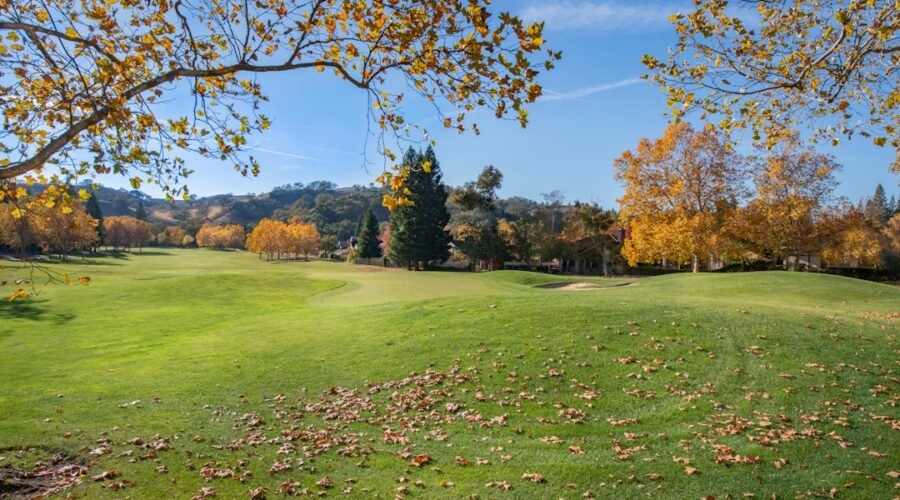
Thinking about a trip to Maha Sarakham? For most travelers, November through January is the easiest time to visit, with early February also comfortable in many years. You get cooler, drier conditions for temples, markets, and day trips. The trade-off is that public holidays and local events can increase demand, while exact hotel and transport prices still vary by date.
Compare our seasonal guides to Ayutthaya, Thailand and Phitsanulok, Thailand when choosing other stops in Thailand.
Quick Answer
The best time to visit Maha Sarakham is generally November through January, plus early February, when Northeast Thailand is cooler and drier. March and April are much hotter, while the rainy season usually develops from around mid-May to mid-October. For fewer crowds or better rates, compare specific dates rather than relying on season alone.
Key Takeaways
- Best overall: November to January for the most comfortable mix of lower heat and less rain.
- Still good: Early February can be pleasant, but temperatures usually rise as the month progresses.
- Hottest period: March to early May, especially April; plan outdoor sightseeing for mornings and late afternoons.
- Rainiest travel period: Roughly mid-May to mid-October, with greener scenery but a greater chance of heavy rain and travel delays.
- Crowds and costs: Maha Sarakham is not a major mass-tourism hub, so public holidays, festivals, and university events may matter more than broad “high” and “low” seasons.
Best Time to Visit Maha Sarakham at a Glance
| Period | Typical feel | Best for | Main trade-off |
| November-January | Cooler and drier | First-time visits, temples, markets, cycling, day trips | Holiday and event dates can be busier |
| February | Dry, with increasing heat later in the month | Travelers who want mostly dry conditions | Afternoons can become noticeably hotter |
| March-mid-May | Hot to very hot; summer storms are possible | Songkran, heat-tolerant travelers | Midday heat can make sightseeing tiring |
| Mid-May-mid-October | Warm, humid, and wetter | Green scenery, flexible itineraries | Heavy rain can disrupt outdoor plans and road travel |
Understanding Maha Sarakham’s Climate
Maha Sarakham is in Thailand’s Northeast, or Isan. The Thai Meteorological Department describes Thailand as having three broad seasons: hot season from about mid-February to mid-May, rainy season from about mid-May to mid-October, and cool season from about mid-October to mid-February. The exact changeover can shift by a week or two from year to year.
Day-to-day conditions can differ sharply from these broad seasonal labels, especially around the transition months. Before travel, check the current Maha Sarakham forecast from the Thai Meteorological Department rather than relying on a fixed monthly temperature promise.
The Hot Season: About Mid-February to Mid-May
If you dislike intense heat, this is the hardest period for long daytime sightseeing. March and especially April can be very hot. The Tourism Authority of Thailand notes that April temperatures in the North and Northeast can reach around 42°C (107.6°F) during hot spells, while the Thai Meteorological Department classifies 40°C (104°F) and above as extremely hot.
- Weather: Expect hot afternoons and strong sun. The season is often dry overall, but thunderstorms, gusty winds, and occasional hail can occur during Thailand’s summer-storm period.
- Activities: Plan temples, markets, and walking for early morning or late afternoon. Use the hottest part of the day for lunch, museums, cafés, or rest.
- Crowds: Heat can reduce demand for outdoor sightseeing, but local holidays and Songkran can create busy periods.
- Costs: You may find attractive room rates on some dates, but there is no reliable rule that flights or hotels are always cheaper in the hot season. Compare live prices before booking.
Warning: Do not underestimate the hot season. Carry water, use sun protection, take shade breaks, and avoid scheduling long outdoor walks around the hottest part of the afternoon. Check Thai Meteorological Department alerts if thunderstorms or extreme heat are forecast.
The Rainy Season: About Mid-May to Mid-October
The Southwest Monsoon and seasonal rain patterns bring wetter weather to Thailand during this period. Rain does not mean every day is a washout, but showers and thunderstorms can be heavy, and their timing is not guaranteed.
- Weather: Northeast Thailand remains warm during the rainy season, with higher moisture and much more seasonal rainfall than in the cool months.
- Activities: Outdoor plans work best with flexibility. The countryside becomes greener, which can be attractive for photography and rural day trips, but paths and unpaved roads may become muddy after heavy rain.
- Crowds: Some travelers avoid wet-season trips, but destination-specific crowd data for Maha Sarakham is limited. Weekends, holidays, and events can still bring local visitors.
- Costs: Some properties may offer lower rates, but do not assume the rainy season automatically gives the year’s cheapest price. Check the exact dates you plan to travel.
Note: During the rainy season, keep one flexible half-day in your itinerary. If heavy rain affects a rural outing, you can switch to indoor attractions, cafés, markets, or temple visits when conditions improve.
The Cool Season: About Mid-October to Mid-February
This is the easiest season for most visitors. Rainfall drops across upper Thailand, and mornings and evenings can feel noticeably cooler. November through January is the most dependable comfort window; February is often still pleasant early in the month but becomes hotter as the hot season approaches.
- Weather: Expect warmer days with cooler mornings and evenings than in the hot season. Short cool spells can make early mornings feel surprisingly mild, while sunny afternoons can still be warm.
- Activities: This is a good period for temple visits, market browsing, cycling, walking, and longer day trips.
- Crowds: Maha Sarakham is not comparable with Thailand’s biggest tourist hubs. Still, Christmas/New Year travel, weekends, festivals, and university events can increase local demand.
- Costs: Popular hotels can cost more or sell out on specific busy dates, but broad seasonal price claims are unreliable. Booking ahead matters most around holidays and major local events.
For weather comfort, November through January is the strongest all-around choice; early February is a good extension if you do not mind a gradual rise in daytime heat.
For travelers comparing seasonal timing across different destinations, you can also read Best Time to Visit Coeur d’Alene, Idaho: Weather, Crowds, and Costs. The climate is very different, but the same planning factors—weather, demand, and trip cost—are useful when choosing dates.
When to Go for Specific Interests
Your ideal travel time can shift depending on what you want most from the trip. Weather comfort, festivals, quieter streets, greener landscapes, and lower prices do not always line up in the same month.
For Festival Travelers
Thailand’s national and local festivals can be a major reason to choose a specific month. Event dates and programs can change each year, so verify the current schedule before building a trip around one celebration.
- Loy Krathong: This festival normally falls in November, although the exact date changes with the lunar calendar. The Tourism Authority of Thailand describes November as a cool-season month and highlights Loy Krathong celebrations across Thailand.
- New Year: Late December and early January can bring public-holiday travel and local celebrations. Check current provincial or municipal listings for specific Maha Sarakham events.
- Songkran: Thai New Year celebrations take place in mid-April, during the hottest part of the year. The Tourism Authority of Thailand’s April travel guidance confirms that April is exceptionally hot in the North and Northeast, so plan for both heat and water-based festivities.
- Local temple fairs: Temple and community events may occur throughout the year around Buddhist holidays or local traditions. Dates vary, so ask locally or check official event listings close to your trip.
For Budget Travelers
If saving money is your top priority, avoid treating any entire season as automatically “cheap.” Maha Sarakham’s accommodation market is influenced by local demand, university activity, weekends, holidays, and events as well as weather.
- Late hot season and rainy season: These periods may offer more room availability or promotions on some dates, especially when leisure demand is softer.
- Shoulder periods: Late October to early November and February can sometimes balance decent weather with less holiday pressure, but rates still need to be checked individually.
- Best strategy: Compare refundable hotel rates and transport fares across several nearby dates. A weekday outside a festival or university event may save more than simply choosing a “low-season” month.
For Avoiding Crowds
Maha Sarakham is better known as an Isan educational and cultural center than as a mass-tourism destination. The Tourism Authority of Thailand describes the province as a lively college area with historical sites, Buddhist landmarks, and textile traditions.
- Choose weekdays: Markets, temples, and popular local attractions are often easier to enjoy outside weekends and public holidays.
- Check event calendars: Graduation, enrollment, academic events, festivals, and holiday periods can increase traffic and accommodation demand.
- Use weather strategically: The rainy and very hot seasons may feel quieter for sightseeing, but comfort is lower and weather disruptions are more likely.
For Green Scenery and Photography
If lush fields and greener rural scenery matter more than perfectly dry weather, consider the rainy season or the transition just after it. Build extra time into day trips because clouds, heavy showers, wet roads, and muddy rural paths can affect your schedule.
Pro Tip: For a first visit, target late November through January and travel mid-week if possible. You get the strongest weather comfort without assuming that every cool-season date will be crowded or expensive.
Practical Considerations for Your Trip
Weather is only part of the decision. Transport, accommodation, university activity, public holidays, and the location of attractions can also affect how easy the trip feels.
Transportation and Accessibility
Maha Sarakham is well connected by road within Isan, but scheduled commercial air travel usually involves a nearby airport rather than an airport in Maha Sarakham itself.
- Getting there by air: Khon Kaen Airport and Roi Et Airport are practical gateways. Both appear in Thailand’s official Department of Airports network. From either airport, continue by road; actual transfer time depends on your starting point, traffic, route, and destination within the province.
- Getting there by road: Intercity buses, vans, private transfers, and self-driving are common ways to reach the area. Check current timetables rather than relying on old schedules.
- Local transport: Depending on where you stay, you may find songthaews, tuk-tuks, motorcycle taxis, local taxis, or app-based rides. Availability can be thinner than in Bangkok or Chiang Mai, especially for outlying attractions.
- Rainy-season roads: Main roads are generally the easiest option, but heavy rain can slow travel and make unpaved rural routes muddy. Leave extra time for day trips during wet weather.
Accommodation Availability and Costs
Maha Sarakham offers budget guesthouses, student-oriented stays, and more comfortable hotels. The best choice depends on whether you want to be near the city center, university areas, or a road route for provincial attractions.
- Cool-season and holiday dates: Book earlier for late December, New Year, festival weekends, and other high-demand dates.
- University events: Graduation, enrollment, and major campus events can affect nearby room demand even when the period is not a national tourist peak.
- Hot and rainy periods: More inventory may be available on some dates, but promotions are property-specific. Compare current rates before deciding that a less comfortable season is worth the savings.
Events and Local Happenings
Maha Sarakham is a major educational center in Isan. That gives the area a different rhythm from resort destinations: student calendars, local ceremonies, Buddhist events, markets, and public holidays can change how lively the city feels.
- University activity: Large academic events can increase traffic, restaurant demand, and hotel bookings around university areas.
- Markets: Daily markets are part of local life, while some night markets or specialty markets may operate on specific days. Confirm opening days close to your visit.
- Festival timing: Do not assume a traditional event falls on the same Gregorian date every year. Lunar-calendar events such as Loy Krathong shift annually.
Weather Risks to Plan Around
The most useful seasonal plan is not simply “dry versus wet.” Each period has a different disruption risk.
- March-April: Extreme heat is the main concern, with occasional summer thunderstorms and strong gusts.
- Mid-May-mid-October: Heavy rain, localized waterlogging, and slower rural road travel are more likely.
- Cool season: Conditions are usually easier for sightseeing, but mornings can feel cool and dry compared with the rest of the year.
- Any season: Check the Thai Meteorological Department forecast before long drives or outdoor day trips because local conditions can change quickly.
What to Pack for Each Season
Being prepared with the right clothing and small travel items can make a big difference to your comfort.
Cool Season Packing: November to February
- Clothing: Lightweight, breathable clothes work well in the daytime. Pack a light jacket, cardigan, or long-sleeved shirt for cooler mornings, evenings, and air-conditioned spaces.
- Footwear: Comfortable walking shoes are useful for longer outings. Sandals are convenient for casual wear and places where shoes are removed.
- Essentials: Sunscreen, a hat, sunglasses, insect repellent, and a refillable water bottle.
Hot Season Packing: March to May
- Clothing: Choose very light, loose-fitting, breathable fabrics. Shorts and sleeveless tops are fine for casual settings, but carry modest clothing for temples.
- Footwear: Breathable sandals or lightweight walking shoes are practical. Choose footwear based on how much walking you plan to do.
- Essentials: High-SPF sunscreen, a wide-brimmed hat, sunglasses, a reusable water bottle, and quick-drying clothing. A small towel can also be useful.
Rainy Season Packing: Mid-May to Mid-October
- Clothing: Quick-drying fabrics are ideal. Light trousers or capris can be comfortable in rain and around mosquitoes. Pack a lightweight rain jacket or compact umbrella.
- Footwear: Water-resistant sandals or shoes that dry quickly are better than heavy leather footwear.
- Essentials: Insect repellent, a waterproof pouch or cover for electronics, a compact umbrella, sunscreen, and a small dry bag for valuables on longer outings.
Note: When visiting Buddhist temples, dress respectfully. Carry something that covers shoulders and knees even in the hot season, and be ready to remove footwear where required.
If you’re comparing the best season for other unusual destinations, you can also read about the best time to visit Gokgol Cave in Zonguldak, Turkey. Its conditions are very different from Isan, but it offers another example of balancing weather, crowds, and trip costs.
Final Thoughts on Timing Your Visit
The best time to visit Maha Sarakham depends on your priorities, but most first-time visitors will find November through January the easiest period for comfortable sightseeing. Early February is also a strong option, while later February starts the transition toward Thailand’s hotter season.
- For first-timers seeking the most comfortable experience: Choose November to January, or early February if your dates are flexible.
- If you’re on a tight budget: Compare specific weekdays in the hot and rainy seasons, but make sure the savings are worth the extra heat or weather risk.
- For Songkran: Visit in mid-April and prepare for both intense heat and water festivities.
- For greener scenery: Choose the rainy season or the weeks just after it, with a flexible plan for showers.
Maha Sarakham offers a genuine slice of Isan life, with temples, historical sites, textiles, markets, and university energy. Match your dates to the weather you can tolerate, then check current forecasts, event schedules, and accommodation prices before you lock in the trip.
Frequently Asked Questions
What is the best time to visit Maha Sarakham, Thailand?
November through January is the best overall window for most travelers because Northeast Thailand is cooler and drier. Early February is also often comfortable, although temperatures usually rise as the month moves toward the hot season.
What is the weather like in Maha Sarakham throughout the year?
Expect a hot season from about mid-February to mid-May, a rainy season from about mid-May to mid-October, and a cooler season from about mid-October to mid-February. The transition dates can shift from year to year.
When is Maha Sarakham busiest?
There is not enough current destination-specific evidence to label one entire season as a guaranteed peak period. Public holidays, festival weekends, university events, and year-end travel can create short spikes in local demand, so check your exact dates.
When is the quietest time to visit Maha Sarakham?
Hot-season and rainy-season weekdays may feel quieter for sightseeing, but local events can change the picture. If avoiding crowds matters most, travel mid-week and avoid public holidays, major festivals, and large university events.
Is Maha Sarakham cheaper in the rainy season?
It can be cheaper on some dates, but there is no reliable rule that every rainy-season hotel or transport fare is lower. Compare live rates across nearby weekdays and check whether festivals, holidays, or university events are affecting demand.
Is April a good time to visit Maha Sarakham?
April can be rewarding if you specifically want Songkran, but it is also the hottest time of year. Plan outdoor activities for cooler parts of the day, carry water, and leave room for summer thunderstorms.
Does Maha Sarakham have an airport?
For scheduled commercial air travel, visitors commonly use Khon Kaen Airport or Roi Et Airport and continue to Maha Sarakham by road. Transfer time depends on the route, traffic, and where you are staying.
What should I pack for Maha Sarakham?
Pack breathable clothing, sun protection, comfortable footwear, and a reusable water bottle year-round. Add a light layer in the cool season and rain protection plus quick-drying shoes in the rainy season. Carry modest clothing that covers shoulders and knees for temple visits.
Sources
- Thai Meteorological Department — Seasons of Thailand — official seasonal timing and heat thresholds.
- Thai Meteorological Department — Maha Sarakham Weather — current provincial forecast and weather conditions.
- Tourism Authority of Thailand — Maha Sarakham — destination character, attractions, and educational-center context.
- Tourism Authority of Thailand — Thailand in April — April heat and Songkran travel context.
- Tourism Authority of Thailand — Thailand in November — cool-season and Loy Krathong context.
- Thailand Department of Airports — Airport Information — official listings for Khon Kaen and Roi Et airports.