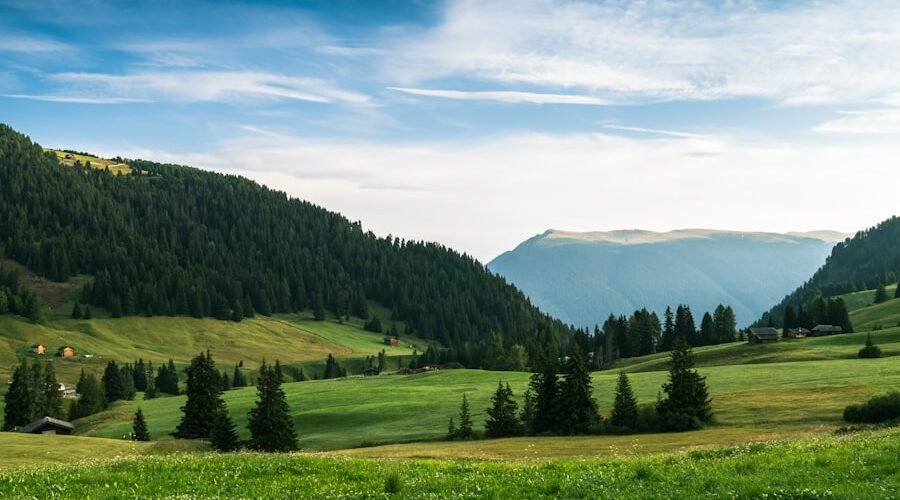
If you’re wondering about the best time to visit Mandurah, Western Australia, spring (September to November) and autumn (March to May) are usually the best all-round choices. They avoid much of the summer heat and peak holiday pressure while still giving you comfortable conditions for beaches, waterways, walking, cycling, dining, and wildlife watching.
Quick Answer
For most visitors, the best time to visit Mandurah is March to May or September to November. Autumn is warm with generally less summer holiday pressure, while spring brings mild weather and outdoor-friendly days. Choose summer for beaches and festive events, or winter if you value quieter surroundings and do not mind more rain.
Key Takeaways
- Best overall: March–May and September–November for a balance of weather, activities, and crowd levels.
- Best for beach weather: December–February, when average daytime highs are warmest.
- Best for quieter trips: Winter can feel calmer, although July school holidays can temporarily increase family travel.
- Best for dolphins: Year-round; Mandurah has a resident bottlenose dolphin population, but sightings are never guaranteed.
- Best for events: Check the current City of Mandurah calendar because major festival dates change from year to year.
Best Overall Time: Spring and Autumn
Mandurah has a Mediterranean-style climate with warm, relatively dry summers and cool, wetter winters. The Bureau of Meteorology’s Mandurah climate statistics show why spring and autumn often work well for travelers: daytime averages sit between the cooler winter months and the hottest part of summer.
Weather Comfort
Spring and autumn are useful middle-ground seasons if you want to spend plenty of time outside without automatically choosing Mandurah’s hottest or wettest months.
Spring: September to November
- Temperature: BOM mean maximum temperatures rise from about 19.3°C (66.7°F) in September to 25.0°C (77°F) in November. Mean minimums rise from about 11.9°C (53.4°F) to 15.6°C (60.1°F).
- Rainfall: Spring becomes progressively drier. Mean rainfall is about 57.1 mm in September, 32.0 mm in October, and 22.3 mm in November, so late spring is generally more reliable for dry outdoor plans than early spring.
- Wind: Coastal conditions can still be breezy, so check the day’s forecast before boating, paddling, or planning a long beach visit.
- Water activities: Air temperatures become increasingly appealing toward late spring, making November particularly useful if you want a mix of outdoor exploring and time on the water.
Autumn: March to May
- Temperature: March remains warm, with a BOM mean maximum around 27.9°C (82.2°F) and mean minimum around 18.3°C (64.9°F). By May, those averages fall to roughly 21.2°C (70.2°F) and 13.5°C (56.3°F).
- Rainfall: March is relatively dry on average, while rainfall increases through April and May as winter approaches.
- Conditions: Early autumn can still feel summer-like, while April and May are better suited to travelers who prefer milder afternoons.
- Water activities: March and early April can be attractive for swimming, paddling, boating, and waterfront activities because the air remains warm after summer.
Mandurah’s long-term mean maximum temperature ranges from about 17.5°C in July to 29.9°C in February, which is why the shoulder seasons suit travelers who want to avoid both winter’s wetter weather and peak summer heat.
Avoiding the Crowds
Mandurah is a popular coastal escape from Perth, and visitor pressure can increase sharply on sunny weekends, school holidays, public holidays, and major-event dates. A weekday trip outside those periods is usually the easiest option if you prefer a quieter atmosphere.
Summer Squeeze: December to February
- School Holidays: The long December–January school break is one of the biggest crowd factors. Family-oriented beaches, foreshores, cruises, accommodation, and restaurants can become noticeably busier.
- Public Holidays: Christmas, New Year, Australia Day, and long weekends can add another layer of demand.
- Local Events: Christmas and New Year’s programs bring extra energy to the city but also increase foot traffic around popular waterfront areas.
Winter Wander: June to August
- Quieter periods: Much of winter is less pressured than peak summer, particularly outside weekends and school-holiday periods.
- School holidays still matter: Winter is not automatically empty. Western Australia’s July school break can increase family travel for part of the season.
- Local activities: Outdoor plans are more weather-dependent, but cafés, restaurants, arts venues, scenic drives, dolphin viewing, and many other attractions remain available.
Note: Check the Western Australian Department of Education term dates before booking. In 2026, the public-school winter break ran from July 4–19 and the spring break from September 26–October 11, showing why some shoulder-season dates can still become busy.
Cost Considerations
Accommodation prices in Mandurah are dynamic rather than fixed by season. Demand, room inventory, major events, weekends, school holidays, and how early you book can matter as much as the month itself. Summer and major-event weekends often have stronger demand, while quieter winter or midweek dates may offer better value.
Accommodation Savings
- Summer peak periods: Christmas, January school holidays, sunny weekends, and special events can produce higher rates or limited availability. Early booking is sensible if your dates are fixed.
- Spring and autumn value: These seasons can provide a good balance between comfortable weather and broader accommodation availability, but prices can still jump around events and school holidays.
- Winter opportunities: Winter often has quieter periods when accommodation deals are easier to find, although there is no guarantee that every hotel, holiday rental, or caravan park will be cheapest then.
Activity & Dining Costs
- Tour prices: Dolphin cruises, equipment rental, boating, and other activities may use relatively stable published rates, but specials, availability, and seasonal schedules vary by operator.
- Restaurant bookings: Popular waterfront restaurants can be harder to book during summer weekends and large events. Reservations are usually less stressful outside peak periods.
- Compare live prices: Check the final price for your actual travel dates instead of relying on a general high-, medium-, or low-season label.
Pro Tip: If your dates are flexible, compare a Sunday–Thursday stay with the nearest Friday–Saturday stay. Mandurah’s popularity as a short break from Perth means the difference between weekday and weekend demand can be more important than changing your trip by an entire month.
If you’re planning several trips around weather, crowds, and seasonal pricing, you can also compare the planning approach in Best Time to Visit Kartepe, Kocaeli: Weather, Crowds, and Costs.
Summer: December to February
Summer in Mandurah has plenty of appeal if beaches, boating, long evenings, and a lively holiday atmosphere are your priorities. It is also the season when advance planning matters most.
The Good Bits of Summer
- Warm and sunny: BOM mean maximums are about 27.6°C (81.7°F) in December, 29.7°C (85.5°F) in January, and 29.9°C (85.8°F) in February. Individual hot days can climb well above those averages.
- Beach and water weather: Summer is the most obvious choice if swimming, boating, kayaking, paddleboarding, or long waterfront days are central to your trip.
- Vibrant atmosphere: Holiday activities, festive displays, evening outings, and busy foreshores give Mandurah a lively summer feel.
- Long days: More daylight gives you extra flexibility to combine outdoor attractions, dining, and evening activities.
The Downside of Summer
- Heat: Hot spells can make exposed walking, cycling, and inland activities uncomfortable. Move strenuous outdoor plans to the morning or late afternoon.
- Crowds: School holidays and major festive dates can make popular beaches, restaurants, waterfront areas, and tours considerably busier.
- Potentially higher accommodation costs: High-demand dates can sell quickly and may cost more than quieter midweek or off-season stays.
- Booking ahead: Reserve must-do accommodation and tours early if you are traveling around Christmas, New Year, January school holidays, or a major event.
Warning: Do not treat seasonal averages as a daily forecast. Western Australian summer heat and UV exposure can be intense. Check the Bureau of Meteorology forecast before long outdoor activities, carry water, use sun protection, and avoid pushing strenuous plans through the hottest part of the day.
Winter: June to August

Winter in Mandurah is often overlooked, but it can offer a quieter and more relaxed coastal break if you are comfortable planning around rain.
The Charms of Winter
- Mild coastal temperatures: BOM mean maximums stay near 17.5–18.7°C (63.5–65.7°F) from June through August, with mean minimums around 10.9–11.6°C (51.6–52.9°F).
- Fewer crowds: Outside weekends and school holidays, many visitors find winter calmer than summer.
- Potential accommodation value: Quieter dates may produce competitive rates, especially if you can travel midweek.
- Cozy options: Cooler weather works well for cafés, waterfront dining, arts venues, scenic drives, and slower-paced exploration.
- Dolphins remain possible: Mandurah’s resident bottlenose dolphins live in the Peel-Harvey Estuary throughout the year.
Whales in Winter and Spring
Western Australia’s whale migration extends beyond one season. The Department of Biodiversity, Conservation and Attractions describes humpback, southern right, and blue whale migration along Western Australia between roughly May and December, depending on species and location.
That means whales may be seen along the wider southwest coast during the cooler months and spring, but Mandurah should not be treated as a guaranteed whale-watching location or a guaranteed departure point for dedicated whale tours. If whales are one of your main reasons for traveling, check current sightings and licensed tour options shortly before your trip.
What to Expect in Winter
- Rainfall: Winter is Mandurah’s wettest season. BOM mean rainfall is about 118.7 mm in June, 118.6 mm in July, and 95.5 mm in August.
- More wet days: July averages the most days with at least 1 mm of rain, so flexible itineraries are useful.
- Cooler water and air: Swimming is less attractive for many casual visitors than it is in summer, although water sports remain possible with suitable equipment and weather.
- Operating schedules: Some tours and seasonal businesses may reduce departures or hours. Check directly before traveling rather than assuming a service runs every day.
Planning Your Mandurah Activities by Season
Different parts of the year suit different activities. Your ideal month therefore depends on whether you care most about swimming, paddling, dolphins, festivals, cycling, lower crowd pressure, or simply comfortable sightseeing weather.
Water-Based Activities
Best for Swimming, Kayaking, and Paddleboarding
- Late Spring (October–November) and Early Autumn (March–April): These periods combine increasingly warm or still-warm air temperatures with less extreme heat than the middle of summer.
- Summer (December–February): The warmest choice for beach and swimming trips, but also the busiest part of the year.
- Winter: Paddling and boating are still possible on suitable days, but wind, rain, and cooler conditions become more important when deciding whether to go out.
Best for Dolphin Cruises
Year-round: Mandurah’s resident Indo-Pacific bottlenose dolphins live in the Peel-Harvey Estuary throughout the year. Visit Mandurah’s current dolphin guidance says calm water and lower boat traffic can improve viewing conditions. Because the animals are wild, no particular day or cruise can guarantee a sighting.
Note: Give Mandurah’s dolphins space. Current local guidance states that people in the water should remain at least 50 metres away and vessels, including kayaks and paddleboards, should remain at least 100 metres away. If an animal approaches, avoid chasing or deliberately following it.
Best for Boating & Fishing
- Year-round: Boating and fishing can be enjoyed in every season, but the best day is often determined by wind, rain, swell, and local marine conditions rather than the calendar.
- Spring and autumn: These seasons often provide a useful balance of comfortable air temperatures and less summer holiday congestion.
- Before departure: Check marine weather, local rules, licenses or fishing restrictions that apply to your activity, and the operating requirements of any hire company.
Land-Based Exploration
Best for Walking, Cycling, and Golfing
- Spring and autumn: Usually the most comfortable combination for longer outdoor sessions because average temperatures are milder than midsummer.
- Winter: Very pleasant on clear days, provided you have a waterproof layer and a flexible plan if showers arrive.
- Summer: Still possible, but schedule longer walks or rides early in the morning or later in the afternoon rather than during the hottest part of the day.
Best for Wildlife Spotting Other Than Dolphins and Whales
- Year-round: Mandurah’s wetlands, estuary, parks, and reserves support birdlife and other wildlife throughout the year.
- Cooler months: Autumn, winter, and spring can feel more comfortable for extended walking and nature observation than hot summer afternoons.
Best Time to Visit Mandurah by Travel Style
| Your Priority | Best Period | Why |
|---|---|---|
| Best overall balance | March–May; September–November | Milder conditions than peak summer with good access to outdoor activities. |
| Swimming and beaches | December–February | Warmest average daytime temperatures. |
| Walking and cycling | April–May; September–November | Comfortable temperatures without midsummer heat. |
| Lower crowd pressure | Winter weekdays outside school holidays | Usually quieter than peak summer travel dates. |
| Dolphin viewing | Year-round | Mandurah has a resident dolphin population; calm conditions help visibility. |
| Major events | Varies by event | Crab Fest is associated with March, while arts and Christmas programs use different parts of the year. |
Events and Festivals
Mandurah hosts events throughout the year, but festival dates can change annually. Always check the City of Mandurah’s current event information before booking accommodation or transport around a specific festival.
Current Seasonal Highlights
- Channel 7 Mandurah Crab Fest: A major waterfront food and entertainment festival celebrating the region and its blue swimmer crabs. The next City-listed event is March 13–14, 2027. Large visitor numbers make early accommodation and restaurant planning sensible.
- Mandurah Arts Festival: The City’s current 2026 program is scheduled for September 11–October 11, placing a major cultural event across the spring period.
- Christmas Lights Trail: The City lists the 2026/27 trail from December 4, 2026 to January 3, 2027, adding another reason December can be busy around the city center and waterfront.
- New Year’s Eve Celebrations: December 31 brings festivities and additional visitor pressure around popular waterfront areas.
- Mandurah Performing Arts Centre: Performances run throughout the year, so check the venue schedule for your dates.
- Local Markets: Markets and community events are held at different times throughout the year; confirm the current calendar before building an itinerary around one.
If you’re comparing how seasonality changes different destinations, the article on the best time to visit Devrek, Zonguldak provides another weather, crowds, and costs comparison.
Mandurah Month-by-Month: Weather, Crowds, and Costs
The temperature and rainfall figures below use long-term Bureau of Meteorology averages for Mandurah. Crowd and cost ratings are planning tendencies rather than guarantees: weekends, school holidays, special events, and live accommodation inventory can change them quickly.
| Month | Typical Climate | Typical Crowd Pressure | Typical Cost Pressure |
|---|---|---|---|
| January | 29.7°C / 19.0°C mean max/min; relatively dry | High | High on popular dates |
| February | 29.9°C / 19.4°C; warm and relatively dry | Medium to high | Medium to high |
| March | 27.9°C / 18.3°C; warm | Medium; high around Crab Fest | Medium; can rise for events |
| April | 24.3°C / 15.8°C; mild | Low to medium | Low to medium |
| May | 21.2°C / 13.5°C; cooler with increasing rain | Low | Often lower outside weekends |
| June | 18.7°C / 11.6°C; cool and wet | Low | Often lower |
| July | 17.5°C / 10.9°C; coolest and wet | Low to medium during school holidays | Low to medium |
| August | 18.1°C / 11.1°C; cool and wet | Low | Often lower |
| September | 19.3°C / 11.9°C; mild with declining rain | Low to medium | Low to medium |
| October | 21.9°C / 13.5°C; mild and increasingly dry | Medium | Medium |
| November | 25.0°C / 15.6°C; warm and relatively dry | Medium | Medium |
| December | 27.6°C / 17.5°C; warm and relatively dry | High | High on holiday dates |
Final Considerations for Your Trip
- Booking Ahead: Even outside peak season, book early if you have a particular accommodation property, cruise, event, or restaurant in mind, especially for weekends.
- Sun Protection: Western Australian UV exposure can be strong even when the air temperature feels mild. Bring sunscreen, a hat, sunglasses, and water.
- Layers: Coastal conditions can change through the day. A light extra layer is useful in spring and autumn, while winter calls for warmer and waterproof clothing.
- Weekdays vs. Weekends: Mandurah’s popularity as a getaway from Perth means fine-weather weekends can be much busier than nearby weekdays.
- School Holidays: Check current Western Australian school-holiday dates if you want to avoid family-travel peaks or deliberately visit when more holiday activities are operating.
- Check the Forecast: Historical averages describe climate, not the conditions you will experience on a particular day. Review the latest weather and marine forecast before outdoor or water-based plans.
Ultimately, the best time depends on what you want from Mandurah. For the broadest balance of comfortable weather and manageable visitor pressure, spring or autumn remains the strongest choice. Summer suits travelers who prioritize swimming, beaches, long days, and festive energy. Winter works well if you prefer a cooler, quieter escape and are happy to plan around rain. Mandurah’s resident dolphins, waterways, dining, walking routes, and year-round attractions mean there is still something worthwhile in every season.
Frequently Asked Questions
1. What is the best time to visit Mandurah for good weather?
For most visitors, March–May and September–November offer the best balance. Autumn begins warm and gradually cools, while spring becomes warmer and drier toward November. These periods are generally easier for walking, cycling, sightseeing, boating, and outdoor dining than the hottest part of summer or wettest part of winter.
2. When is the peak tourist season in Mandurah?
December through January is usually one of the busiest periods because warm beach weather overlaps with Christmas, New Year, and the long Western Australian school break. Major events and sunny weekends can also create short-term crowd peaks at other times of year.
3. When is the off-peak season in Mandurah?
Winter, especially June and August weekdays outside school holidays and special events, often feels quieter than summer. July can become busier during the winter school break, so checking current term dates is worthwhile if low crowds are your priority.
4. How much more does Mandurah cost during peak season?
There is no fixed seasonal percentage. Accommodation and tour prices are dynamic and depend on the property, event calendar, day of the week, remaining availability, and booking date. Christmas, January school holidays, major festivals, and popular weekends can create higher prices, so compare live rates for your exact dates.
5. What major Mandurah events should I consider when planning a trip?
The current City schedule includes the Mandurah Arts Festival from September 11–October 11, 2026, the Christmas Lights Trail from December 4, 2026–January 3, 2027, New Year’s Eve celebrations on December 31, 2026, and Channel 7 Mandurah Crab Fest on March 13–14, 2027. Event dates can change, so confirm them before booking.
6. Can I see dolphins in Mandurah all year?
Yes. Indo-Pacific bottlenose dolphins live permanently in the Peel-Harvey Estuary and surrounding waterways, so sightings are possible in every season. Calm conditions can make spotting them easier, but they are wild animals and sightings cannot be guaranteed.
7. Is winter a good time for whale watching in Mandurah?
Whales migrate along the wider Western Australian coast between roughly May and December depending on species and location, so the cooler months and spring can bring opportunities. However, Mandurah should not be treated as a guaranteed whale-watching base. Check current sightings and licensed tour departures before planning a trip primarily around whales.
Sources
- Bureau of Meteorology — Mandurah Climate Statistics — monthly mean maximum and minimum temperatures, rainfall, and wet-day averages.
- Western Australian Department of Education — Term Dates — current public-school term and holiday dates used for crowd-planning guidance.
- City of Mandurah — Major Event Information — current Mandurah Arts Festival, Christmas, New Year’s Eve, and Crab Fest dates.
- Visit Mandurah — Dolphin Watching & Tours — resident dolphin information, viewing conditions, and responsible viewing distances.
- Department of Biodiversity, Conservation and Attractions — Whale Watching — Western Australian whale migration season and responsible wildlife-viewing guidance.