Few destinations reward timing like the Masai Mara does. Visit at the wrong moment, and you’ll find muddy tracks, closed camps, and a landscape that feels oddly empty. Visit at the right one, and you’re watching a million wildebeest thunder across a crocodile-filled river. The difference between these experiences often comes down to just a few weeks. Here’s what you need to know before you book. Knowing the best time to visit Masai Mara helps you plan around weather, crowds, and budget.
Also compare: Abana, Kastamonu · Güzeldere Waterfall, Düzce.
Masai Mara Seasons: A Quick Overview
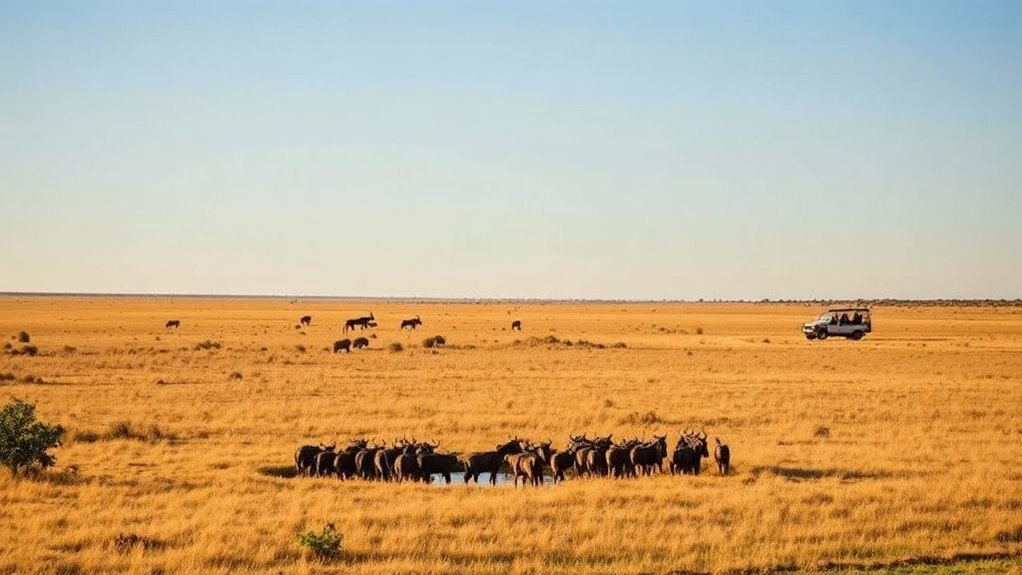
The Masai Mara operates on two distinct wet seasons and two dry seasons, each dramatically shaping what you’ll experience on the ground. These cycles dictate everything — wildlife behavior, landscape conditions, crowd density, and your seasonal photography opportunities.
The long rains run from April through June, transforming the savanna into a lush, emerald canvas. The short rains arrive in November, bringing brief afternoon downpours that refresh the ecosystem without overwhelming it.
Sandwiched between these wet periods are two dry seasons. The short dry season spans January through March, while the long dry season stretches from July through October — the most celebrated window for witnessing the Great Wildebeest Migration.
Each season reveals a genuinely different Mara. You’re not choosing between good and bad; you’re choosing which extraordinary version of this landscape you want to inhabit.
When Does the Great Migration Actually Happen in the Masai Mara?
Few wildlife events on Earth inspire as much confusion as the Great Migration — not because it’s complicated, but because it doesn’t follow a fixed calendar. Migration patterns shift with rainfall, grass availability, and wildlife behavior — all unpredictable forces you can’t schedule around.
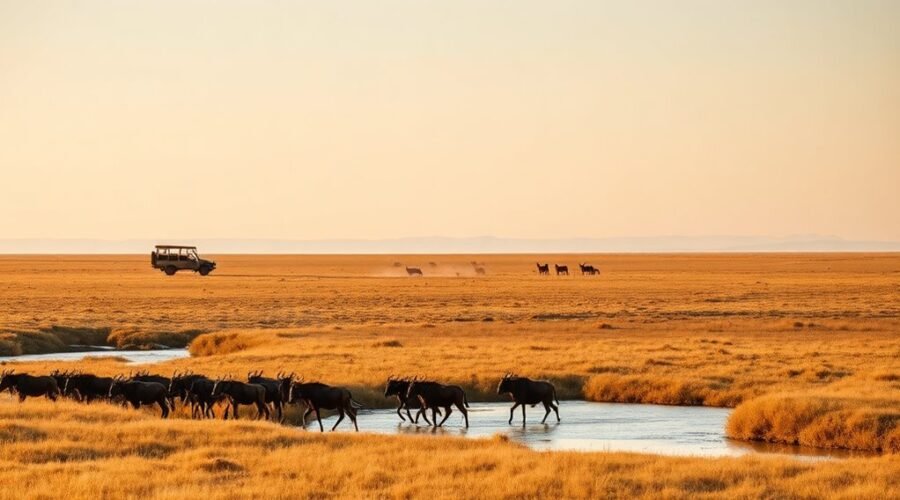
That said, the Mara typically receives its greatest concentration of wildebeest between July and October. The famous river crossings — where thousands of animals plunge through crocodile-filled waters — peak around August and September, delivering unmatched photography opportunities.
You’ll want to book seasonal accommodations early for this window. Camps fill fast, prices surge, and the crowds reflect exactly how spectacular this period is.
If you crave the migration without peak-season chaos, arrive in late June or early July. The herds are building, the light is extraordinary, and you’ll feel like you’ve discovered something the crowds haven’t caught up to yet.
The Best Months to See River Crossings in the Masai Mara
Understanding ideal viewing times means rising early. Crossings typically happen between 7 AM and 11 AM, though the herds remain unpredictable — that tension is exactly what makes it extraordinary.
The herds are unpredictable. That tension — not the crossing itself — is what makes rising before dawn worth it.
You’ll watch thousands of animals hesitate at the bank, surge forward, fight the current, and face waiting crocodiles. It’s raw, unfiltered nature.
July occasionally delivers early crossings if the herds move fast. October can still surprise you.
But if you’re committing to this experience, lock in August or September and position yourself riverside before sunrise.
What the Masai Mara Is Really Like in the Green Season
Most travelers write off the green season — that’s their mistake. Between November and May, the Mara transforms into something rawer and more intimate. Rain patterns reshape the landscape daily, pushing lush landscapes into vivid, painterly life. You’re not fighting crowds here. Fewer tourists mean you’re not sharing sightings with fifteen other vehicles.
Wildlife sightings shift rather than disappear. Predators stay active, newborn prey animals attract lions and cheetahs, and birdlife explodes with migratory species. Your photography opportunities actually improve — dramatic storm clouds, golden post-rain light, and saturated greens create frames that dry-season shots rarely match.
Seasonal changes also reveal behaviors most safari-goers never witness. Calving season, territorial displays, and quieter bush dynamics unfold without interruption.
If you want unique experiences that feel genuinely yours rather than packaged for the masses, the green season delivers exactly that.
Which Masai Mara Months Get the Biggest Crowds?
Crowd pressure in the Masai Mara spikes hard between July and October, and if you’re planning a trip during those months, you need to know exactly what you’re walking into.
The Great Migration drives peak visitor numbers to record highs, particularly in August and September when wildebeest river crossings dominate every safari itinerary.
Crowd dynamics shift dramatically during this window. You’ll share prime crossing spots with dozens of vehicles, engines idling, radios crackling, guides jostling for position. It’s raw and chaotic, and honestly, it can shatter the wilderness illusion fast.
December through January brings a secondary surge, with holiday travelers pushing occupancy rates across lodges and camps.
February through June and November stay comparatively quieter, giving you genuine breathing room.
If freedom matters to you more than witnessing peak spectacle, avoid July through October. The Mara rewards those willing to move against the crowd.
What Does a Masai Mara Safari Actually Cost by Season?
Safari costs in the Masai Mara swing wildly depending on when you book, and those swings can mean the difference between a $400-per-night tented camp and a $1,500-per-night luxury lodge charging identical rates for the same beds.
Peak season—July through October—commands premium pricing across all safari package options because seasonal wildlife behavior peaks with the Great Migration. Camps know you’ll pay it, and most visitors do.
Shoulder months like June and November offer genuine value. You’ll find 20–30% rate reductions while still witnessing solid game activity.
The long rains of April and May push prices to their lowest floor, sometimes 40–50% below peak, rewarding travelers willing to embrace wet mornings and muddy tracks.
Budget your ground costs separately from flights and park fees—those remain consistent year-round.
The season you choose fundamentally determines how much freedom your money buys you inside the reserve.
Which Month in the Masai Mara Suits Your Safari Style?
How you want to spend your days in the Masai Mara matters more than any single wildlife checklist. Your safari style determines everything — from timing to budget to experience depth.
| Safari Style | Best Month | Key Benefit |
|---|---|---|
| Photography opportunities | July–October | Golden light, dense wildlife |
| Family travel | January–February | Calm weather, shorter drives |
| Cultural interactions | April–June | Authentic Maasai access, off peak benefits |
If luxury experiences define your trip, peak season delivers maximum wildlife preferences satisfaction. If eco tourism options matter, shoulder months reduce your footprint while keeping encounters intimate.
Adventure activities like hot-air ballooning peak during the dry months, when clear skies guarantee visibility. Meanwhile, off peak benefits include dramatically lower rates and uncrowded conservancies that feel genuinely wild.
You’re not choosing a destination — you’re choosing a version of yourself out there. Pick the month that matches who that is.
How Far in Advance Should You Book a Masai Mara Safari?
If you’re eyeing the Great Migration season between July and October, you’ll want to book your Masai Mara safari at least 6 to 12 months in advance, as premium camps and river-crossing viewpoints fill up fast.
Waiting until the last minute during peak season almost guarantees you’ll face limited camp choices, inflated prices, and missed opportunities at the most coveted locations.
That said, if you’re flexible and traveling during the quieter green season months, last-minute deals do surface, often at noticeably reduced rates with surprisingly good availability.
Peak Season Booking Windows
Planning a Masai Mara safari during peak season—particularly around the Great Migration from July through October—means you’ll need to secure your booking well in advance.
The most coveted camps fill up fast, leaving late planners with limited options and inflated prices.
Book strategically by following these windows:
- 12–18 months ahead for luxury tented camps and private conservancies during migration peak
- 9–12 months ahead for mid-range lodges with prime river-crossing viewpoints
- 6–9 months ahead if you’re leveraging off-peak advantages and booking flexibility during shoulder months like June or November
Don’t wait.
The freedom to choose your ideal camp, dates, and experience belongs to those who plan early.
Hesitation costs you options—and ultimately, the safari you actually want.
Last-Minute Safari Availability
While last-minute Masai Mara bookings aren’t impossible, they’re a gamble—and the odds rarely favor you during high season. Premium camps fill months ahead, leaving last minute deals that typically mean compromised locations, inferior tents, or inflated prices for whatever scraps remain.
That said, safari flexibility rewards the genuinely untethered traveler. If you’re not chasing the Great Migration’s peak crossings, shoulder months like June or November occasionally surface unexpected cancellations. Operators quietly release these slots, sometimes at reduced rates, but you’ll need to move fast and accept limited choices.
The brutal truth: freedom here isn’t found by booking late—it’s found by planning early enough to choose exactly what you want, then arriving completely present. That’s real liberation.
The Best and Worst Masai Mara Months at a Glance
Whether you’re planning a last-minute trip or mapping out a safari months in advance, knowing which months deliver the best experience can make or break your Masai Mara adventure.
Wildlife behavior shifts dramatically across seasons, transforming the same landscape into entirely different experiences.
Best months:
1. July–October – Peak wildebeest migration, explosive wildlife behavior, and golden-light conditions perfect for photography tips around dawn crossings.
Shoulder months:
2. January–February – Calving season draws predators, crowds thin out, and costs drop — giving you raw, intimate encounters without peak-season pressure.
Worst months:
3. April–May – Long rains create muddy tracks, limited visibility, and unpredictable game drives, though budget travelers find genuine value here.
Understanding this month-by-month rhythm lets you align your goals — whether that’s witnessing the Great Migration, capturing award-worthy shots, or stretching your budget — with what the Mara actually delivers.
Best Time To Visit Masai Mara: Frequently Asked Questions
Can I Combine a Masai Mara Safari With a Kenyan Beach Holiday?
You can absolutely combine thrilling safari experiences in the Masai Mara with relaxing beach activities along Kenya’s stunning coastline. You’ll discover freedom in contrasting adventures, trading wildlife-filled plains for turquoise waters and white sands seamlessly.
Are There Any Vaccination Requirements Before Visiting the Masai Mara?
You’ll need key vaccination types before visiting, including yellow fever, typhoid, and hepatitis A. Don’t skip essential health precautions like malaria prophylaxis — they’ll empower you to explore the Masai Mara freely and fearlessly.
Is the Masai Mara Safe for Solo Female Travelers Year-Round?
Yes, you’ll find the Masai Mara safe for solo female travelers year-round. Prioritize solo travel safety by choosing reputable camps, hiring trusted guides for wildlife interaction, and trusting your instincts — your freedom awaits in this breathtaking wilderness.
What Currency Is Accepted at Masai Mara Lodges and Camps?
Don’t worry about carrying local currency — most lodges accept US dollars. You’ll want crisp, post-2006 bills though. Check exchange rates beforehand, ensuring you’re financially free to fully embrace every breathtaking, sun-soaked Mara experience awaiting you.
How Long Does a Typical Flight Take to Reach the Masai Mara?
You’ll typically experience a 45-minute flight duration from Nairobi on best airlines like SafariLink or AirKenya. You’re soaring above breathtaking landscapes, arriving refreshed and ready to embrace the Mara’s wild, untamed freedom.
Conclusion
Whether you’re chasing the thunder of a river crossing or the quiet wonder of a calf taking its first steps, the Masai Mara rewards you in every season. Your perfect safari isn’t about finding the “right” month — it’s about matching the magic to your priorities. Book early, know your budget, and trust that Africa never disappoints. The only wrong choice? Never going at all.