The best time to visit Shawinigan depends on whether you want warm-weather adventures, colorful forests, or snowy landscapes. This Québec city sits beside the Saint-Maurice River, with easy access to La Mauricie National Park.
Summer brings the widest range of outdoor activities. Autumn offers colorful scenery, while winter attracts visitors who enjoy skiing and snowshoeing. The guide below compares the weather, crowds, events, and costs so you can choose dates that suit your trip.
Quick Answer
The best time to visit Shawinigan is June through September. Choose June for pleasant hiking weather, July or August for swimming and summer events, and September for cooler days and early fall colors. Visit in late September or early October for autumn scenery, or January and February for more consistent winter sports conditions.
Last checked: September 25, 2026. Dates and figures were verified against official sources.
Best Time to Visit Shawinigan: Month-by-Month Guide
Shawinigan has four distinct seasons, with warm summers and cold, snowy winters. July is generally the warmest month, while January is the coldest.
The temperatures below come from the Québec Environment Ministry’s 1981–2010 Shawinigan climate summary, station 7018000. They show historical average daily highs and lows, not a forecast for your travel dates.
Crowd and cost descriptions are general seasonal planning estimates. Actual hotel and rental prices depend on your dates and availability.
| Month | Weather | Crowds | Costs |
|---|---|---|---|
| January | -7.7°C / -17.8°C (18°F / 0°F) | Generally low; winter sports visitors | Often lower outside holidays |
| February | -4.3°C / -15.2°C (24°F / 5°F) | Low to moderate at winter recreation sites | Generally lower |
| March | 1.4°C / -9.1°C (35°F / 16°F) | Generally low; maple season begins | Often lower |
| April | 9.8°C / -0.7°C (50°F / 31°F) | Low; sugar shacks attract visitors | Often lower |
| May | 18.1°C / 5.7°C (65°F / 42°F) | Low to moderate | Often moderate |
| June | 22.9°C / 11.1°C (73°F / 52°F) | Moderate; summer events begin | Moderate to high |
| July | 25.2°C / 13.9°C (77°F / 57°F) | High; summer holidays | Usually high |
| August | 24.1°C / 12.8°C (75°F / 55°F) | High; summer holidays and events | Usually high |
| September | 18.9°C / 8.4°C (66°F / 47°F) | Moderate; busy event weekends | Moderate; event weekends vary |
| October | 11.4°C / 2.3°C (53°F / 36°F) | Moderate on foliage weekends | Often moderate |
| November | 3.7°C / -3.7°C (39°F / 25°F) | Generally low | Often lower |
| December | -3.5°C / -12.1°C (26°F / 10°F) | Low outside holiday periods | Varies around Christmas and New Year’s |
These averages offer a useful starting point. Heat waves, thunderstorms, cold snaps, and early or late snowfall can change the conditions during an individual visit.
1. Shawinigan’s Weather and Seasons
Each season offers a different experience in Shawinigan. The main difference is how much of the surrounding region you can comfortably explore outdoors.
1.1 Spring (March to May): Maple Season and Quieter Travel
Spring is a good choice for maple experiences and travelers who prefer fewer visitors. However, melting snow can leave trails wet and muddy, especially early in the season.
- March: Winter conditions often continue, especially at night. Maple sugaring may begin as temperatures rise above freezing during the day.
- April: Expect cool weather, thawing ground, rain, and occasional late snow. This is a popular period for traditional sugar-shack meals.
- May: Daytime temperatures become much more comfortable. It is a pleasant month for sightseeing, although some park facilities remain seasonal.
Maple sugaring generally runs from late March through April, sometimes extending into early May. Visit a cabane à sucre to experience traditional Québec maple syrup production and maple-inspired meals.
Spring can also offer lower accommodation costs before summer demand increases. However, the warmer weather does not mean every trail, campground, or attraction has opened.
1.2 Summer (June to August): Warm Weather and Outdoor Adventures
Summer offers Shawinigan’s broadest range of activities. Long daylight hours and warm temperatures make it a natural choice for hiking, biking, canoeing, and swimming.
- June: A comfortable month for hiking and sightseeing. Summer attractions begin operating, while some weekends remain quieter than July and August.
- July: Usually the warmest month, with average daytime highs around 25°C (77°F). It is especially popular for swimming, boating, and outdoor events.
- August: Warm weather continues, along with concerts, community activities, and family vacations.
Summer temperatures can sometimes reach the low 30s°C (90s°F). Thunderstorms are also possible, so allow flexibility for long outdoor excursions.
Expect the greatest demand during summer weekends, public holidays, and Québec’s construction vacation. In 2026, the construction industry’s summer vacation ran from July 19 through August 1, according to the Commission de la construction du Québec calendar.
These busy periods can increase demand for accommodation, car rentals, restaurants, and popular outdoor facilities.
1.3 Autumn (September to November): Fall Colors and Cooler Days
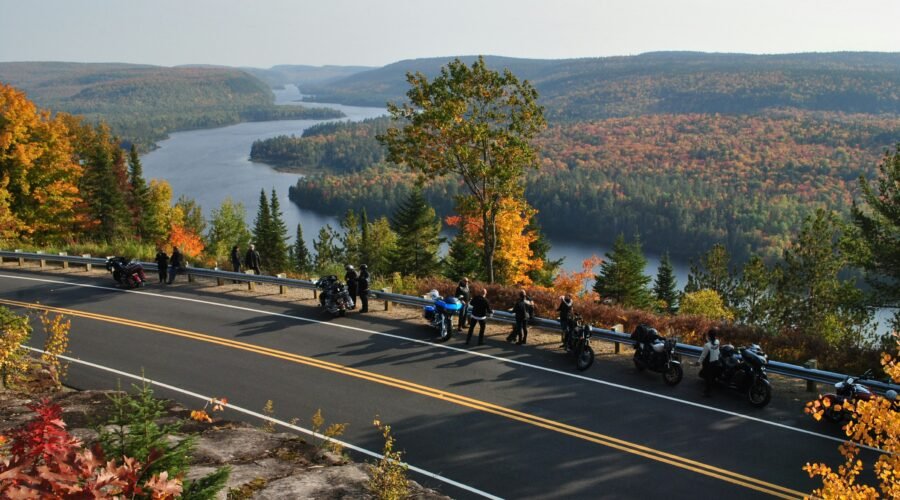
Autumn is an excellent season for photography, scenic drives, and hiking. September is often comfortable, while October brings cooler weather and stronger fall colors.
- September: Average daytime highs are around 19°C (66°F). Early autumn colors begin appearing, and some summer activities remain available.
- October: Average highs fall to around 11°C (53°F). The changing forests make La Mauricie National Park particularly attractive.
- November: Temperatures approach freezing, daylight becomes shorter, and some seasonal attractions have closed.
Fall colors often attract regional visitors during late September and early October. The exact timing depends on the weather, and the most colorful days can differ from year to year.
Weekdays are often quieter than weekends. Accommodation prices may also become more favorable after the summer peak, although popular foliage dates can still be busy.
1.4 Winter (December to February): Snow and Winter Sports
Winter turns Shawinigan into a snowy destination for skiing, snowshoeing, and other cold-weather activities. January and February generally offer the most dependable winter conditions.
- December: Snow and freezing temperatures become common. Holiday celebrations and winter activities begin, depending on conditions.
- January: The coldest month, with average lows around -18°C (0°F).
- February: Winter conditions continue, making it a good month for cross-country skiing and snowshoeing.
Winter crowds are generally lower than summer crowds, apart from holiday periods and popular recreation sites.
Accommodation can be cheaper outside busy dates, but equipment rental, activity passes, and other winter recreation costs should be included in your budget.
2. Factors to Consider When Planning Your Visit
Weather is only part of the decision. Your preferred activities, crowd tolerance, and budget will also help determine the right travel window.
2.1 Choose Your Dates Around Your Activities
Different activities work better at different times of year.
- Hiking and biking: June through September offers generally comfortable conditions. May and October can work when trails are accessible.
- Canoeing, kayaking, and swimming: July and August offer warmer weather, although June and September can also suit paddling.
- Cultural attractions: Summer provides the widest range of seasonal tours and outdoor exhibits.
- Fall photography: Late September and early October are useful periods to consider.
- Winter sports: January and February offer the most consistent seasonal conditions.
- Maple experiences: Late March through April is the traditional period.
2.2 Avoid the Busiest Travel Periods
Shawinigan is generally less crowded than Québec’s largest cities, but certain dates attract more visitors.
- Summer weekends: Outdoor attractions, restaurants, and accommodation can become busy from June through August.
- Summer public holidays: Québec’s National Holiday on June 24 and Canada Day on July 1 can increase local travel.
- Late July: The construction holiday period is an important consideration for accommodation and recreation bookings.
- Early September: Labour Day weekend and local sporting events attract additional visitors.
- Fall foliage weekends: Popular viewpoints and park facilities can become busy during colorful autumn weekends.
- Christmas and New Year’s: Holiday travel can temporarily increase demand during the winter low season.
For a quieter warm-weather trip, consider late May, early June, or weekdays in September.
2.3 Plan Your Budget Around Seasonal Demand
Travel costs depend on your dates, lodging preferences, transport, and activities. Summer generally brings stronger demand, while spring and late autumn may offer better accommodation value.
- High season: July and August usually bring the greatest demand for accommodation and car rentals.
- Shoulder season: May, early June, September, and October may offer more flexibility.
- Low season: November through April can provide lower lodging rates, although some attractions have limited access.
Traveling outside weekends and major event dates can help you control costs without giving up the activities you want most.
3. Best Time for Outdoor Activities and Sightseeing

La Mauricie National Park is one of the main reasons to visit Shawinigan. Its forests, lakes, hiking trails, and winter recreation facilities offer something different throughout the year.
3.1 Hiking, Biking, Canoeing, and Swimming
June through September is the most practical period for most warm-weather outdoor activities. The park’s main access road and seasonal facilities make it easier to combine several activities in one visit.
For 2026, Parks Canada’s official operating calendar gives these important dates:
- Summer operating season: May 14 to October 25, 2026, with a gradual start and end.
- Entire Parkway: May 28 to October 12, 2026.
- Saint-Mathieu entrance: May 28 to October 12, 2026.
- Rivière à la Pêche Campground: May 15 to October 11, 2026, with limited services afterward.
- Wapizagonke Campground: June 19 to September 7, 2026.
The park remains open throughout the year, but access and services change by season. The entire Parkway is not available to regular vehicle traffic all year.
For an easy outdoor outing, consider the Les Cascades trail. Visitors seeking a longer adventure can combine canoeing and hiking to reach Waber Falls.
June offers comfortable hiking weather, although blackflies and mosquitoes can be active. July and August are warmer for swimming, while September brings cooler hiking conditions and fewer insects.
May and October are possible alternatives, but muddy trails, colder water, and reduced seasonal services may limit your plans.
3.2 Cultural Attractions and City Sightseeing
June through September offers the greatest flexibility for visiting Shawinigan’s cultural attractions and exploring the city on foot.
La Cité de l’Énergie is a major attraction focused on energy, industry, and local history. Its experiences include the science center, observation tower, exhibitions, and hydroelectric heritage.
For its 2026 high season, June 13 through September 27, the published La Cité de l’Énergie admission prices include:
- Adults aged 18 and older: CAD $30.
- Children and teenagers aged 5–17: CAD $17.39.
- Children aged 4 and younger: free.
- Seniors aged 65 and older: CAD $28.70.
- Family package for two adults and two children: CAD $75.23.
Taxes are additional. Certain activities have separate prices, while the hydroelectric sector tour is offered free through Hydro-Québec.
For another cultural outing, consider the Boréalis museum in Trois-Rivières. It is not located in Shawinigan, so treat it as a separate regional excursion.
Spring, autumn, and November can still work for cultural travel. However, seasonal attractions may operate fewer days or offer reduced activities.
3.3 Winter Sports and Snow Activities
December through March is the general winter recreation period, with January and February offering the most consistent conditions for skiing and snowshoeing.
La Mauricie National Park provides more than 50 km of cross-country ski trails and more than 50 km of winter hiking routes, according to its winter activities information.
For the 2026–2027 season, the park lists December 17, 2026, through March 28, 2027, as its winter operating period.
- Cross-country skiing: Marked classic and freestyle trails are available when conditions permit.
- Snowshoeing: Winter hiking routes offer access to snowy forests and viewpoints.
- Equipment rental: The Rivière à la Pêche Service Centre provides rental services during its operating season.
- Winter accommodation: Camping and selected cabins offer overnight options during designated dates.
Winter access differs from summer. The Saint-Mathieu entrance closes, and vehicle access is limited to designated sectors.
Prepare for freezing temperatures, short daylight hours, and changing snow conditions before heading onto longer trails.
4. Shawinigan’s Festivals and Seasonal Events

Summer is Shawinigan’s busiest event season, but spring and autumn also offer worthwhile experiences. Festival dates can influence accommodation availability and the atmosphere around the city.
4.1 Summer Festivals and Events
Shawinigan hosts outdoor concerts, community celebrations, sports events, and cultural activities throughout the summer.
The local tourism office’s 2026 summer event guide lists several notable events:
- L’été à Shawi: June 6 to September 6, 2026. The city organized more than 110 free activities and performances around downtown.
- Festival Énergik: June 11–13, 2026, at Centre Gervais-Auto.
- Shawi-Beach: July 18–19, 2026, at Parc de la Plage-Idéale.
- Rendez-vous des peintres de Sainte-Flore: August 7–9, 2026, featuring artists and their work.
- Classique internationale de canots de la Mauricie: September 5–7, 2026. This major canoe race travels along the Saint-Maurice River, with an important stage in Shawinigan.
These dates describe the confirmed 2026 editions and should not be assumed to repeat on the same calendar dates in future years.
4.2 Autumn Events and Regional Festivals
September offers a mix of outdoor sports, regional festivals, and early fall scenery.
The Festival Western de St-Tite is a major regional event held in Saint-Tite rather than Shawinigan itself. Its official 2026 festival dates were September 11–20.
The festival features rodeos, concerts, western activities, and family entertainment. Some activities are free, while others require tickets.
October is particularly appealing for visitors who prefer nature over large events. The changing colors around La Mauricie National Park are the main seasonal attraction.
4.3 Spring and Winter Events
Spring brings Québec’s maple sugaring season. Traditional sugar shacks offer maple products and meals, making March and April appealing even before the main outdoor season begins.
Winter focuses more on snow-based recreation and holiday activities. Christmas and New Year’s can bring festive decorations, seasonal gatherings, and local events.
For visitors planning around a particular festival, the event’s actual location matters. FestiVoix takes place in Trois-Rivières, while the Festival International de la Chanson de Granby takes place in Granby. Neither should be treated as a Shawinigan festival.
5. Practical Tips for Planning Your Shawinigan Trip
A little planning can make your visit more comfortable, especially when you intend to explore the national park or visit several attractions in one trip.
5.1 Booking Accommodation and Activities
Summer visitors should reserve accommodation and car rentals early, particularly for weekends and popular holiday dates.
- Accommodation: Consider booking three to six months ahead if you need a particular property or room type during peak summer dates.
- Car rentals: Reserve ahead when arriving through Montréal or Québec City, especially during busy travel periods.
- Popular attractions: Some tours and activities offer specific booking times. Group visits may need additional planning.
- National park camping: Use the reservation system for designated campsites and overnight accommodation.
Travelers who can visit on weekdays or outside major events may have a wider choice of lodging and activities.
5.2 How Much Does a Visit Cost?
Accommodation, transport, meals, and activities will make up most of your travel budget. The national park is one expense you can estimate before leaving.
The published La Mauricie National Park admission fees include:
- Regular daily adult admission: CAD $10.
- Regular daily senior admission: CAD $8.75.
- Regular daily family/group admission: CAD $19.50.
- Low-season daily adult admission: CAD $7.25.
- Youth aged 17 and younger: free admission.
Camping, equipment rental, certain activities, and other services can involve additional charges.
The 2026 Canada Strong Pass provided free admission to Parks Canada locations from June 19 through September 7. That period has ended, and regular admission fees apply again.
For a lower-cost day, combine a walk around Shawinigan with free downtown activities when available. A picnic can also help reduce meal expenses.
5.3 What to Pack for Each Season
Pack for the conditions you are most likely to encounter, including cooler evenings and sudden weather changes.
- Summer: Lightweight clothing, a sweater, rain jacket, comfortable walking shoes, sunscreen, and insect repellent.
- Spring: Waterproof shoes, warm layers, and a windproof jacket. Mud and wet conditions are common during the thaw.
- Autumn: A warm sweater, waterproof outer layer, sturdy walking shoes, and gloves for colder mornings.
- Winter: Insulated boots, a heavy coat, snow pants, gloves or mittens, a hat, and suitable base layers.
Bring drinking water and suitable footwear for outdoor excursions, regardless of the season.
5.4 Transportation and Getting Around
Driving is one of the most convenient ways to explore Shawinigan and the surrounding Mauricie region.
Approximate driving times are two hours from Montréal and one and a half hours from Québec City, depending on your starting point, traffic, and road conditions.
- By car: A vehicle gives you greater flexibility when visiting La Mauricie National Park and attractions outside the city center.
- By air: Montréal-Trudeau International Airport (YUL) and Québec City Jean Lesage International Airport (YQB) are possible arrival points.
- Local public transit: Shawinigan has a local bus network, but it is less extensive than transit systems in larger cities.
Winter visitors should pay particular attention to driving conditions. Québec requires winter tires on vehicles registered in the province, including rental vehicles, from December 1 through March 15, subject to applicable exceptions.
The Québec government’s winter tire requirements explain the rules. Snowfall and icy roads can also increase travel times.
For a first visit that combines the city, cultural attractions, and national park, June through September offers the most flexibility. Choose a specific month based on the activities you care about most, then plan your accommodation and transport around those dates.
Frequently Asked Questions
What is the best time to visit Shawinigan, Quebec, for good weather?
June through August offers the warmest weather for most outdoor activities. July has an average daytime high of about 25°C (77°F), while June and August are slightly cooler. September is another good option if you prefer mild temperatures for hiking and sightseeing.
When is the peak tourist season in Shawinigan?
The peak tourist season is generally June through August, with particularly strong demand in July and August. Summer weekends, public holidays, and Québec’s construction vacation can increase crowds at accommodation, restaurants, and popular outdoor attractions.
When is the off-peak season in Shawinigan?
The quieter travel period generally extends from November through April, outside holidays and winter recreation peaks. Accommodation may cost less, but some attractions and facilities operate on limited schedules. Winter sports remain available when snow conditions permit.
How much does it cost to visit Shawinigan during peak season?
Peak-season costs depend on accommodation, transport, meals, and activities. Summer lodging and car rentals generally face greater demand. Published regular admission to La Mauricie National Park is CAD $10 per adult, while individual attractions and equipment rentals have separate prices.
What festivals and events should visitors consider?
Shawinigan hosts summer concerts, community festivals, sporting events, and the local stage of the Classique internationale de canots de la Mauricie. The nearby Festival Western de St-Tite takes place in September. Event dates vary by year, so plan around the confirmed edition you want to attend.
When is the best time to see fall colors in Shawinigan?
Late September through early October is a useful period for seeing fall colors around Shawinigan and La Mauricie National Park. Peak color timing varies with the weather. Popular viewpoints may attract more visitors on weekends during this period.
Can you visit La Mauricie National Park in winter?
Yes, La Mauricie National Park remains open year-round, although access changes by season. Winter activities include cross-country skiing and snowshoeing. The 2026–2027 winter operating period runs from December 17 through March 28, with access limited to designated sectors and facilities.
For additional travel planning questions, visit our Travel Tips and Local Attractions contact page. You can also learn about the writers behind our guides on the Lele Tours team page.
Sources
- Québec Environment Ministry: Shawinigan Climate Normals: Historical monthly temperature averages.
- Parks Canada: La Mauricie Operating Dates: Seasonal opening dates, Parkway access, camping, and winter operations.
- Parks Canada: La Mauricie Fees: Admission categories, regular rates, and low-season rates.
- Shawinigan Tourism: Summer 2026: Local attractions, summer activities, and confirmed event dates.
- La Cité de l’Énergie: Admission Prices: Published 2026 seasonal admission information.
- Festival Western de St-Tite: Confirmed 2026 festival dates.
- Commission de la construction du Québec: 2026 Calendar: Construction vacation dates.
- Parks Canada: Winter Activities: Cross-country skiing, winter hiking, and recreation facilities.
- Boréalis Museum: Official location in Trois-Rivières.
- Gouvernement du Québec: Winter Tire Requirements: Mandatory winter tire period and vehicle requirements.